

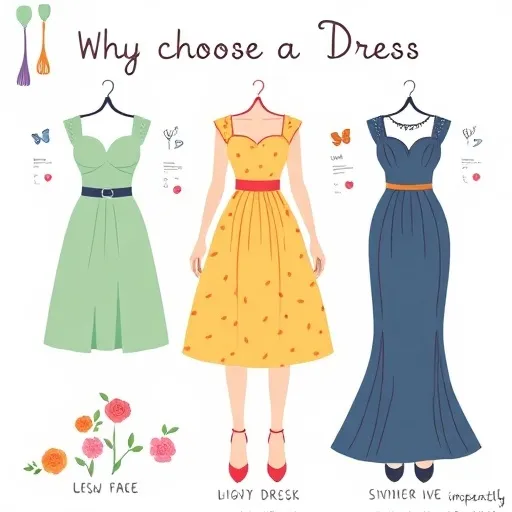
Daytime vs evening f
Why Evening Event Dressing Deserves Its Own Strategy
Daytime fashion is forgiving. Evening fashion? Not so much. The lighting hits different, the stakes feel higher, and the unspoken rules around formality shift in a big way. A dress that looks adorable at a weekend brunch can feel completely wrong at a formal evening reception. That's exactly why knowing how to choose a dress for evening events deserves its own playbook — with its own rules, its own fabric considerations, and its own strategic thinking.
In 2026, evening wear has evolved. The lines between formal and cocktail have blurred in interesting ways, and smart fabrics have made comfort a real priority without sacrificing elegance. But the fundamentals of how to choose a dress for evening events remain surprisingly consistent. Let's break them down.
Decoding the Dress Code and Invitation Details Before Anything Else
Before you even think about scrolling through online catalogs, you need to understand what the invitation is actually asking for. Dress codes are the single most important piece of information you have — and misreading them is the fastest way to feel out of place. When it comes to how to choose a dress for evening events, this step is non-negotiable.
- Black Tie: Floor-length gowns in refined fabrics. Think structured satin, silk crepe, or velvet. Jewelry is expected to be elevated, and heels are non-negotiable.
- Black Tie Optional: You can go full formal or choose a sophisticated midi or knee-length dress in a luxe fabric. This is where versatility shines.
- Cocktail: Typically knee-length to midi, with a polished aesthetic. This is the most common evening dress code and also the most flexible.
- Semi-Formal: A step below cocktail. A dressy midi or an elegant wrap dress works beautifully here.
- Festive or Creative: This is your invitation to have fun — bold colors, unique silhouettes, statement accessories.
If the invitation doesn't specify a code, a good rule of thumb is to lean slightly more formal than you think you need. It's always easier to dress down an outfit with accessories than to dress up something too casual. That's a core principle of how to choose a dress for evening events.
Knowing Your Body Shape, Proportions, and Silhouettes — Not Just Your Size
Here's something a lot of people overlook: size numbers on a tag mean almost nothing in evening wear. What matters is how a dress interacts with your unique proportions. A seasoned stylist will tell you that the same dress can look radically different on two people who wear the same size. Understanding how to choose a dress for evening events means understanding your own frame first.
- Shoulders and neckline: Does the neckline balance your shoulder width? A V-neck elongates, while a boat neck broadens.
- Waist definition: Empire waists flatter longer torsos, while natural or dropped waists suit shorter torsos.
- Hip and skirt flow: A-line skirts work universally, while bias-cut dresses hug curves in a way that's either stunning or stressful, depending on the fabric.
- Height and hemline: Petite frames often look best in hemlines that hit just above or below the knee, while taller frames can carry maxi and floor-length effortlessly.
If you can, try on multiple silhouettes before committing. What looks incredible on a hanger might not be your match — and vice versa. This trial-and-error approach is honestly the best way to master how to choose a dress for evening events.
Choosing the Right Fabric for the Season, Venue, and Setting
Fabric is the unsung hero of evening wear. It determines how a dress drapes, how it photographs, how comfortable you feel after three hours, and whether you'll be shivering or sweating. A huge part of how to choose a dress for evening events comes down to material.
- Silk and satin: Timeless, luminous, and perfect for formal settings. Look for higher momme weights for better structure.
- Velvet: Ideal for fall and winter evening events. It absorbs light beautifully and feels luxurious.
- Crepe: A modern favorite. It's matte, fluid, and incredibly forgiving — great for cocktail and semi-formal events.
- Jersey and technical blends: In 2026, smart fabrics have become genuinely elegant. They move with you and resist wrinkling, which is a game-changer for long events.
- Chiffon and organza: Wonderful for layering and adding movement, though they require careful undergarment planning.
- Metallic and sequined knits: Perfect for festive evenings, especially when you want to catch the light without going full disco.
Pro tip: If the event spans both indoor and outdoor spaces, choose a fabric that regulates temperature. Modern blends with breathable fibers are your best friend here. It's these little details that make all the difference when you're figuring out how to choose a dress for evening events.
Color Psychology, Jewelry Coordination, and Evening Style Impact
Color isn't just about preference — it's about messaging. The shade you choose communicates something before you even say a word. Understanding color psychology can help you align your dress with the vibe you want to project. When thinking about how to choose a dress for evening events, color is your silent spokesperson.
- Black: Classic, powerful, and universally appropriate for evening events. It's the safest bet for formal occasions.
- Navy and deep blue: Sophisticated and slightly softer than black. Excellent for networking events.
- Burgundy and emerald: Rich, confident, and memorable. Great for standing out in a sea of neutrals.
- Champagne and blush: Romantic and elegant. Ideal for weddings and anniversary dinners.
- Metallics: Festive and attention-grabbing. Perfect for celebrations and creative dress codes.
- Pastels: In 2026, pastels have made a strong evening comeback — especially when paired with structured silhouettes to keep them from feeling too daytime.
Consider the venue lighting too. Warm lighting flatters warm tones, while cool LED lighting can wash out certain shades. If you're unsure, a jewel tone or classic neutral rarely fails. This is a subtle but powerful factor in how to choose a dress for evening events.
Prioritizing Fit, Comfort, Tailoring, and Accessories for Long Evenings
Here's a truth that doesn't get said enough: the most beautiful dress in the world is worthless if you're uncomfortable in it. Evening events can last four, five, even six hours. You'll be sitting, standing, mingling, possibly dancing. If your dress restricts your breathing or requires constant adjustment, you won't enjoy the night. That's why comfort and fit are central to how to choose a dress for evening events.
- Can you sit down comfortably without the fabric pulling?
- Can you raise your arms without the bodice riding up?
- Does the waistband dig in when you breathe deeply?
- Are the straps secure enough to stay in place while you move?
- Can you walk confidently in the heels you plan to wear?
Tailoring is your secret weapon. A mid-priced dress that's been properly altered will almost always outperform an expensive dress that doesn't quite fit. And when it comes to accessories — jewelry, heels, a structured clutch, an elegant shawl — the key is restraint. Evening elegance comes from balance, not excess. Statement accessories should complement, not compete. Mastering this balance is the final piece of how to choose a dress for evening events.
At the end of the day, the best dress for any evening event is the one that makes you feel like the most confident version of yourself. Trends come and go — and 2026 has plenty of exciting ones — but the feeling of walking into a room knowing you look and feel great never goes out of style. Use these strategies as your framework, trust your instincts, and remember: the dress is there to serve you, not the other way around. Now go find your perfect match — your next unforgettable evening is waiting.